
 Zhejiang wanlai Intelligent electric co., ltd.


Understanding Type AC, A, B RCD and RCBO
In current times, the importance of safety with respect to electrical systems cannot be stressed enough. In both homes and offices, equipment such as AC-type, Type A and Type B RCDs and RCBOs is becoming indispensable. It is also vital to know which type to choose and how it works in order to ensure safety and compliance with electrical codes.
What Are RCDs and RCBOs? Definitions and Functions Explained
An RCD (Residual Current Device) protects people from electric shock and fires by monitoring the balance of electrical current flowing into and out of a circuit. If it detects an imbalance (earth leakage), it trips and cuts the power.

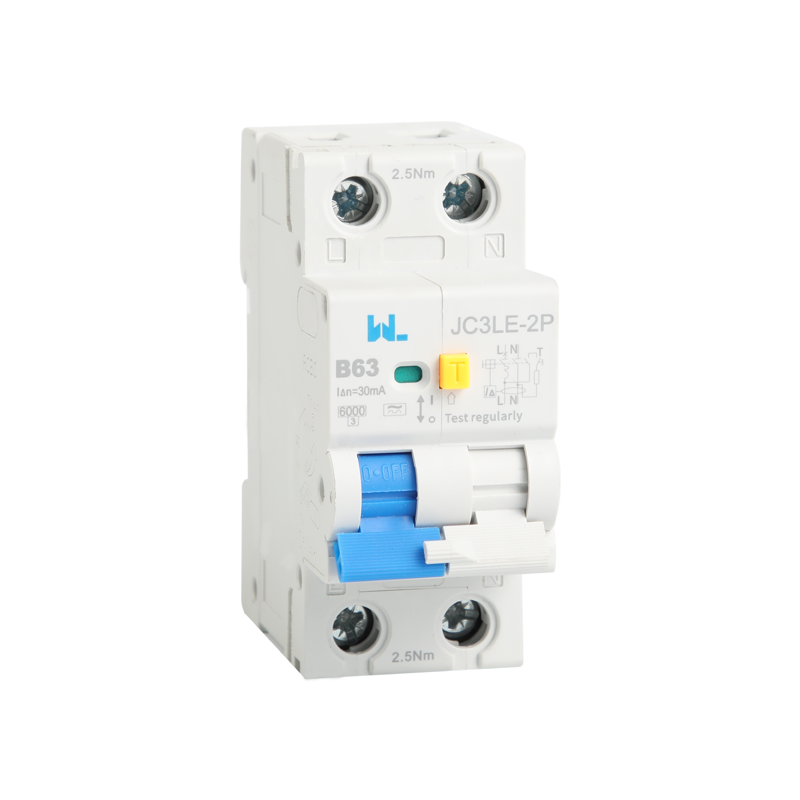
An RCBO (Residual Current Breaker with Overcurrent) is a two-in-one device that combines an RCD (earth leakage protection) with an MCB (Miniature Circuit Breaker for overload and short-circuit protection) in a single unit.
When choosing an RCD or RCBO, it is essential to know how sensitive the device is to various forms of earth leakage current. The classification of RCD & RCBO into AC type, A type, B type means their ability to recognize different waveforms and frequencies. Let’s discuss all three types in detail:
AC Type: The basic and most commonly utilized AC type RCDs recognize only residual alternating current (AC). They Best used for Basic, traditional resistive loads like old electric showers, standard immersion heaters, ovens, and incandescent lighting without electronics. The workings of AC type RCBOs are almost the same.
A Type: A type RCDs and RCBOs can be used for the detection of AC currents or pulsating DC residual currents. Current status is The new baseline standard for most modern general-purpose residential and commercial installations. They are applicable for devices that can include machines, computers and LED lighting. They tend to be the prevailing type of protection in modern systems.Such as the W9 Group JC3LE-2P 6kA 2 Pole RCBO supports compact 2-pole circuit protection for residual current, overload, and short-circuit protection.
B Type: The version of B-type RCDs and RCBOs are detects AC, pulsating DC, high-frequency waveforms, and smooth DC residual currents. It is Best used for Complex or heavy industrial and green-energy systems where smooth DC leakage can occur—such as three-phase variable speed drives (VFDs), solar PV inverter systems, certain UPS units, and EV chargers that do not have internal 6 mA DC fault protection.
Understanding the Differences: AC, A, B Types Compared
It is important to understand the differences concerning AC, A, and B types for maximum safety and compliance. The differences lie in the detected range of the fault currents for which they protect loads.
The AC type devices are only able to handle conventional AC faults and are typically utilized in applications where leakage currents due to DC are not an issue. On the other hand, the A type devices have the capability of detecting fluctuating DC which is a requirement for equipment using electronic controls or rectifier circuits. The B type devices further have the ability of detecting steady-state DC currents which are present in various inverters and electrical machines. The malfunctioning of AC and A type devices whenever DC currents occur is the reason the selection of the type of devices should be done carefully based on the needs of the application.
Where and When Should Each Type Be Used?
When deciding whether to use AC, type A, or type B RCDs and RCBOs, one needs to take into account the equipment and dangers that exist in the installation. The AC type is still fine for lighting, conventional heating, and simple devices using no/very few electronics. But as devices are becoming more advanced, appliances such as washing machine, induction cookers, electric car charger, and solar panels require A or B type protection.
In commercial environments with elaborate tools, electronic systems, and electric vehicle chargers, the need for type B protection is typically inevitable.W9 JC3RS‑B electromagnetic RCD offers versatile waveform options for residual current protection. When determining the right device to use in the installation, different aspects, such as current laws and particular aspect of safety, should be taken into account.
Advantages of RCBOs Against RCDs: Practical Considerations
RCBO and RCD both save lives but RCBO comes with more advantages. RCBO is a combination of residual current protection and overcurrent protection. When there is an overload in the electrical circuit due to overloading or short-circuiting, the electrical circuit is interrupted quickly. The benefit of RCBO is that in case of nuisance tripping in one circuit it will not affect the whole electrical system.
It is essential to choose the appropriate type of RCD or RCBO, particularly with the AC, A, and B types. By understanding the function, advantages, and use cases of each type, both buyers and installers can develop solutions that meet customers’ requirements and comply with the relevant regulations. Whether one is upgrading or embarking on a brand-new project, investing money in the proper device assures safety and security during the installation. Always seek assistance from the right experts regarding your installation.
- ← Previous:RCBO: Electronic vs Electromagnetic
- :Next →


