
 Zhejiang wanlai Intelligent electric co., ltd.


RCCB vs RCBO :Key Differences For Selection
What Are RCCB and RCBO?
Before exploring the differences, we must understand what RCCB and RCBO mean and what their importance is. Both are essential devices for electrical safety, although they differ in many aspects like their usages and designs.
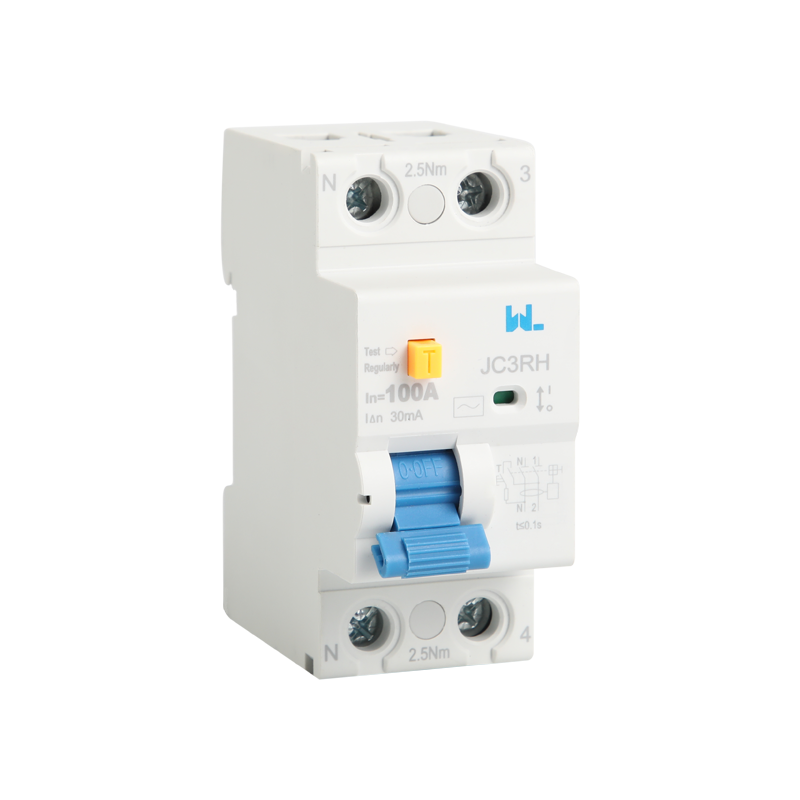
An RCCB is a protective device that is used to detect earth leakage currents and automatically disconnection the power supply whenever such case occurs, thus helping prevent electric shocks and fire due to insulated faults or incidental exposure. RCCBs find notable application in domestic, commercial, and industrial areas as a primary means for protecting against earth faults.
However, an RCBO combines two features: earth leakage protection (similar to an RCCB) and overcurrent protection (similar to an MCB). An RCBO not only trips upon sensing leakage currents but also offers protection against overload and short circuits. This effectiveness has made RCBOs an option in many modern electrical setups.
Key Differences Between RCCB and RCBO
The main difference between RCCB and RCBO is found in their operation. RCCB does only provide safety from earth fault, while on the contrary, RCBO is a more advanced safety device which allows protection against overcurrent and leakage problems as well.
Here is a deeper look at how these differences affect their application and performance:
1. Protection Scope: RCCB is appropriate in situations where the main issue is earth leakages, in order to avoid electrocution or electric fire. RCBO is appropriate for cases where both earth leakage protection and overcurrent protection are required, including electric overloads, short circuits, and so on.
2. Installation: RCCBs are usually installed at consumer units, where they protect several circuit groups together. RCBOs, on the other hand, are usually used in individual circuits for safety purposes. This implies that RCBOs provide an enhanced safety feature by isolating safety issues related to certain circuits without being affected by the activity of other circuits. This is especially important for areas such as kitchens or dedicated appliance circuits.
3. Cost: RCCBs generally cost less because they do not have overcurrent protection. RCBOs, being a combination device with higher costs per unit, may help in the reduction of the number of devices needed, such as MCBs.
4. Ease of Maintenance: RCCBs necessary extra coordination with MCBs for total protection (earth leakage and overcurrent) but RCBOs make maintenance easier by including both protections in one device.
5. Compliance: According to local electrical regulations, RCBOs are becoming more of a requirement for new installations and upgrades. Conversely, RCCBs are still the norm in settings where sufficient protection and a limited budget help.
Advantages and Disadvantages of RCCB
RCCB devices are effective and broadly used, but they come with both strengths and limitations:
Advantages:
- High sensitivity to earth leakage, providing immediate response to electrical faults.
- Lower initial cost compared to RCBOs.
- Simpler troubleshooting for earth leakage issues.
Disadvantages:
- Cannot protect against overcurrent faults like overloads and short circuits.
- Requires the pairing with MCBs for effective protection of circuit which makes installation and increases total expense.
When RCCB is activated, it has the potential to trip various circuits, which can cause issues and hinder troubleshooting efforts.
Advantages and Disadvantages of RCBO
The present-day installations show growing preference for the use of RCBO, which has the following features:
Advantages:
- Provides dual protection: earth leakage and overcurrent faults.
- Reduces nuisance tripping; only the affected circuit shuts down, leaving others operational.
- Simplifies installation and maintenance by combining functions into one device.
- Complies with current safety standards and regulations in many regions.
- Ideal for critical circuits, such as kitchen appliances, bathrooms, or outdoor sockets.
Disadvantages:
- Higher cost per unit compared to RCCB.
- Bulkier than standard breakers, potentially requiring more space in the consumer unit.
- May not be necessary for all circuits, representing additional investment if overused.

How to Choose: RCCB or RCBO?
When deciding whether to install RCCB or RCBO devices, several factors must be considered:
- Financial Limitations: While RCCBs are cheaper at the beginning, they could potentially require added expenses when it comes to MCBs in order to provide complete protection. Conversely, RCBOs may be more expensive, but they may also make the system cost-effective and safer.
- Safety Standards: RCBOs are commonly advised for circuits supplying outlet devices or hazardous locations while only RCCBs are needed when grouped safety is acceptable.
- Meeting regulations: Investigate regulations in your area as the use of RCBOs is becoming compulsory.
- Complexity in installation: By combining functions, RCBOs simplify constructions for installers, while RCCBs need coordination.
- ce Considerations: RCBOs may require larger consumer boards; planning ahead is essential.
In the end, RCBOs deliver better safety and convenience for individual circuits, while RCCBs continue to be a reasonable and inexpensive choice for a grouping of circuits where overcurrent hazards are handled separately.
Choosing between RCCB and RCBO is a completely subjective matter. Assessing the specific needs of your property, alongside the pros and cons of either device, will allow for the maximum degree of effectiveness relative to safety and environmental sustainability.
- ← Previous:The differences between RCD and RCBO
- :Next →


