
 Zhejiang wanlai Intelligent electric co., ltd.


The differences between RCD and RCBO
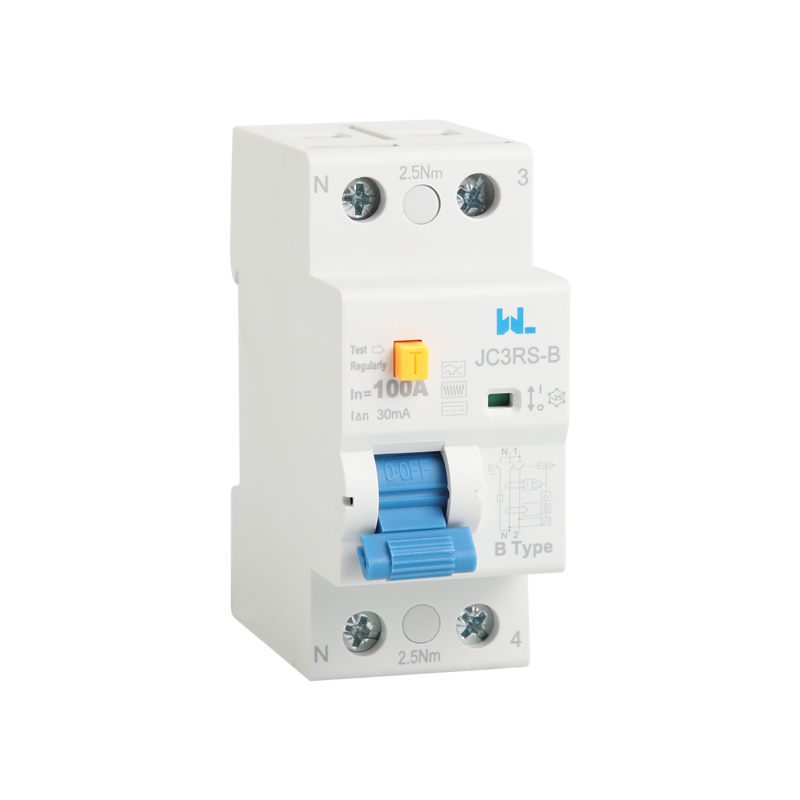
In simple terms, an RCBO is a combination of an RCD and a standard circuit breaker (MCB) in a single unit.
⚡ The Core Difference: Protection Functions
- RCD (Residual Current Device): Its sole function is to protect against earth leakage currents (also known as ground faults). It constantly monitors the electrical current flowing in a circuit. If it detects an imbalance—meaning some current is leaking to earth, potentially through a person—it cuts the power extremely quickly (in milliseconds) to prevent a dangerous electric shock. However, an RCD does not protect against overloads or short circuits. It must be used alongside a separate circuit breaker (MCB) for complete protection.
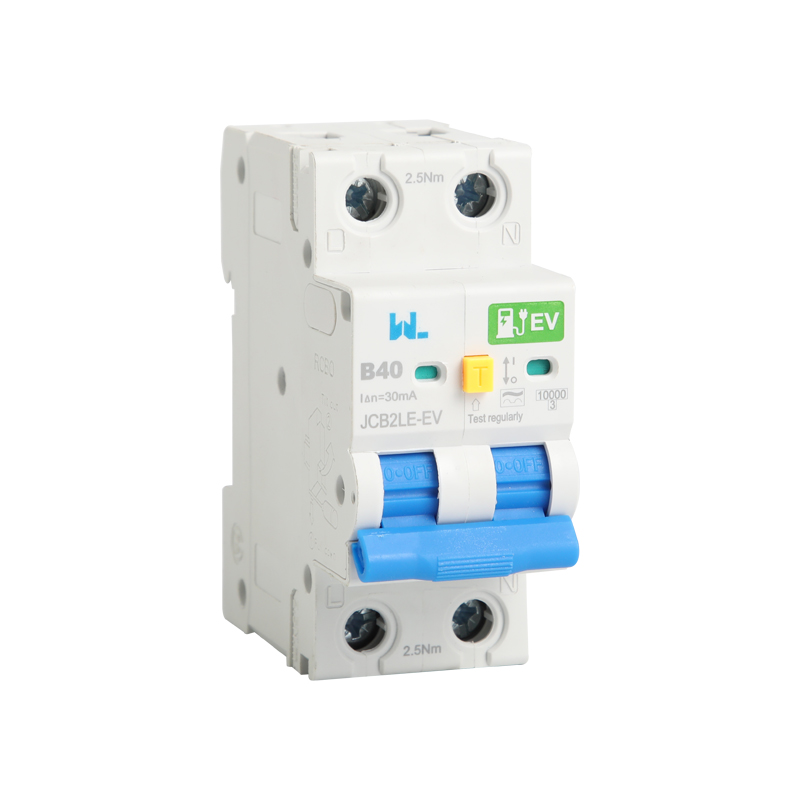
- RCBO (Residual Current Circuit Breaker with Overcurrent Protection): This device integrates the functions of both an RCD and an MCB. It provides all-in-one protection against:
- Earth Leakage: Protects people from electric shock (the RCD function).
- Overload: Protects the wiring from overheating due to too many appliances being used at once (the MCB function).
- Short Circuit: Protects the circuit from a sudden, massive surge of current (the MCB function).
Application Scenarios
The choice between using RCDs and RCBOs often comes down to cost, convenience, and the level of safety required.
RCD + MCB Configuration (Traditional Approach)
This setup typically involves one or two RCDs protecting a group of circuits, each with its own MCB. This is a cost-effective solution but has a significant drawback.
- Scenario: In a home, a single RCD might protect all the power outlets in the living room and bedrooms.
- Problem: If a fault occurs in one appliance (e.g., a faulty lamp), the main RCD will trip, cutting power to all the circuits it protects. This means you lose power to the entire living room and bedrooms, not just the faulty lamp, which is inconvenient and makes fault-finding harder.
RCBO Configuration (Modern & Recommended Approach)
An RCBO is used to protect a single, individual circuit. This is becoming the modern standard for new installations and upgrades.
- Scenario: Each circuit in your home (e.g., kitchen sockets, bathroom lighting, outdoor outlets, refrigerator) has its own dedicated RCBO.
- Benefit: If the faulty lamp from the previous example is on a circuit with an RCBO, only that specific RCBO will trip. The rest of the house remains powered. This provides superior safety, convenience, and makes it much easier to identify the source of the problem.
Comparison at a Glance
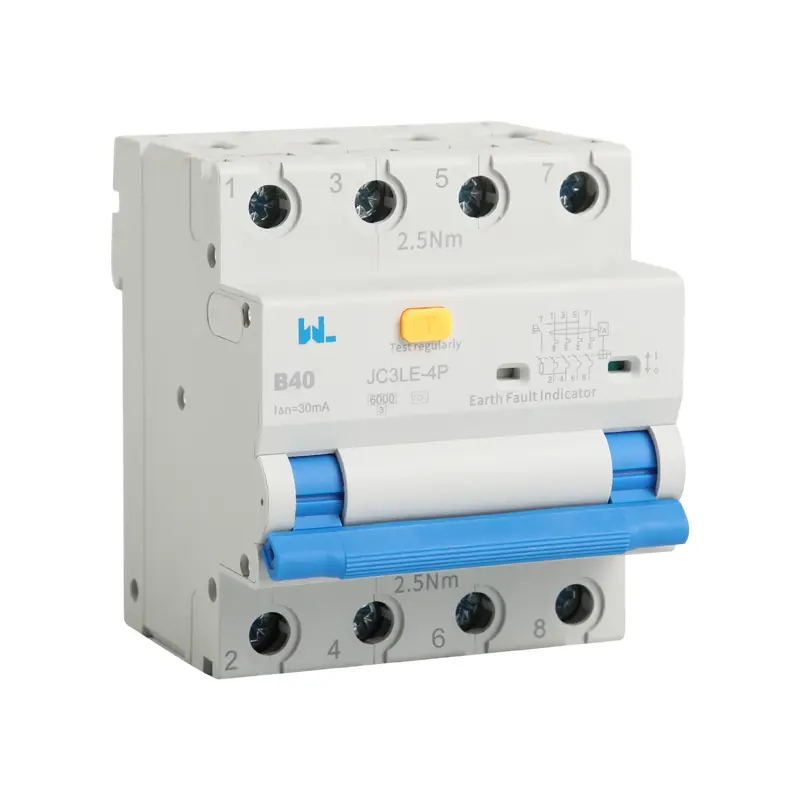
| Feature | RCD (with separate MCB) | RCBO |
|---|---|---|
| Protection Type | Earth leakage only | Earth leakage, overload, and short circuit |
| Circuit Impact | A fault on one circuit can trip the RCD, cutting power to multiple circuits. | A fault only trips the single affected circuit. |
| Fault Finding | Can be more difficult as multiple circuits are affected. | Easier, as the tripped device points directly to the faulty circuit. |
| Panel Space | Can be space-efficient for protecting many circuits with one RCD. | Takes up one module per protected circuit, but is neater than an RCD+MCB pair. |
| Cost | Generally lower initial cost for the device. | Higher cost per circuit, but offers better performance and convenience. |
An RCD provides essential protection against electric shock, an RCBO offers a more advanced, all-in-one solution that provides superior safety and convenience by isolating faults to a single circuit. For high-risk areas like bathrooms, kitchens, and outdoor sockets, using individual RCBOs is highly recommended.
- ← Previous:JCB2LE-40M: Compact Electronic RCBO Series
- :Next →


