Zhejiang wanlai Intelligent electric co., ltd.


What parameters should be considered when selecting a circuit breaker?
Picking a circuit breaker? Don’t just flip a coin! Key specs like voltage rating, breaking capacity, and trip curves decide if your circuits stay safe or turn into a light show. Choose wisely—your gadgets depend on it!
Don’t Get Zapped! The Electric Secrets Behind Picking the Perfect Circuit Breaker
Ever thought of a circuit breaker as your home’s silent superhero? While it might not wear a cape, choosing the right one keeps your devices from going up in smoke. But with technical specs sounding like alphabet soup, how do you pick the champion your wiring deserves? Fear not—we’ve decoded the mystery.
First up: voltage rating. This isn’t just a number—it’s the breaker’s comfort zone. Match it to your system’s voltage, or risk an underwhelming performance (think: sparks instead of safety). Next, current rating (measured in amps) is the breaker’s patience level. Too low, and it’ll trip at the sight of your toaster; too high, and it might nap through an emergency.
Then comes the breaking capacity (or interrupt rating)—the breaker’s “panic strength.” It’s the maximum fault current it can stop without itself melting into a modern art piece. For homes, 6kA to 10kA usually suffices, but industrial settings demand muscle-like 25kA or more. Ignore this, and a short circuit could turn your panel into a fireworks display.
But here’s where it gets quirky: trip curves. These personality profiles—B, C, or D—dictate how fast the breaker reacts. Curve B is the over-caffeinated guardian, perfect for sensitive electronics. Curve C is the steady bouncer for homes, handling the surge of fridge motors. Curve D? The tough guy for industrial machines that start with a jolt. Picking the wrong curve could mean false alarms or, worse, a sluggish response to danger.
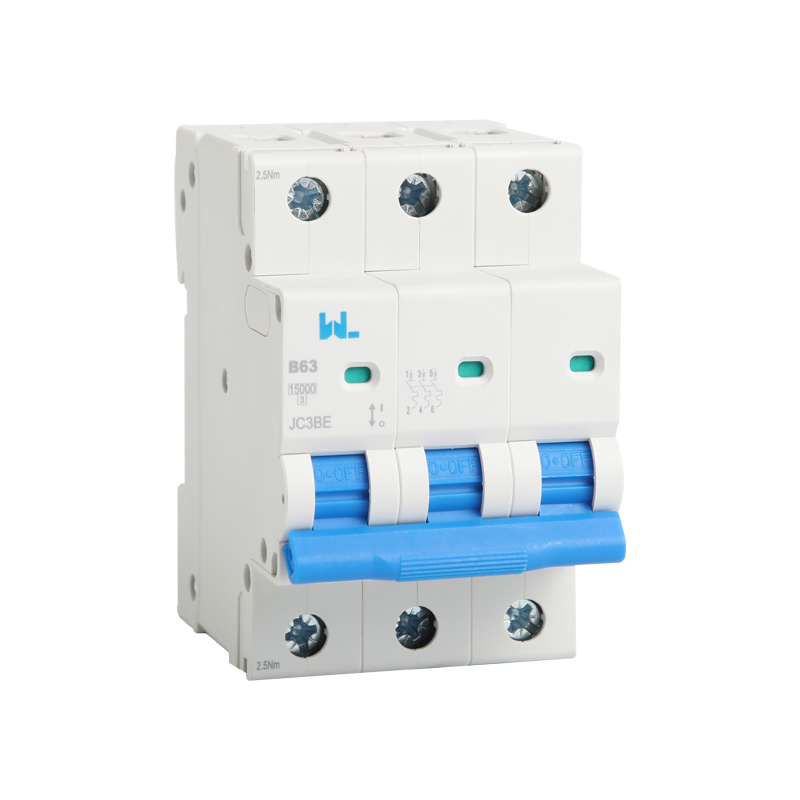
Don’t forget pole configuration (single, double, triple)—because even circuits need partners!—and standards compliance (like IEC or UL), which is basically the breaker’s passport to reliability.
So, before you grab any random breaker, remember: it’s more than a switch. It’s the gatekeeper between cozy movie nights and unexpected drama. Choose with these parameters in mind, and you’ll stay safe, connected, and happily unzapped!