Zhejiang wanlai Intelligent electric co., ltd.


What Are the Disadvantages of RCBO?
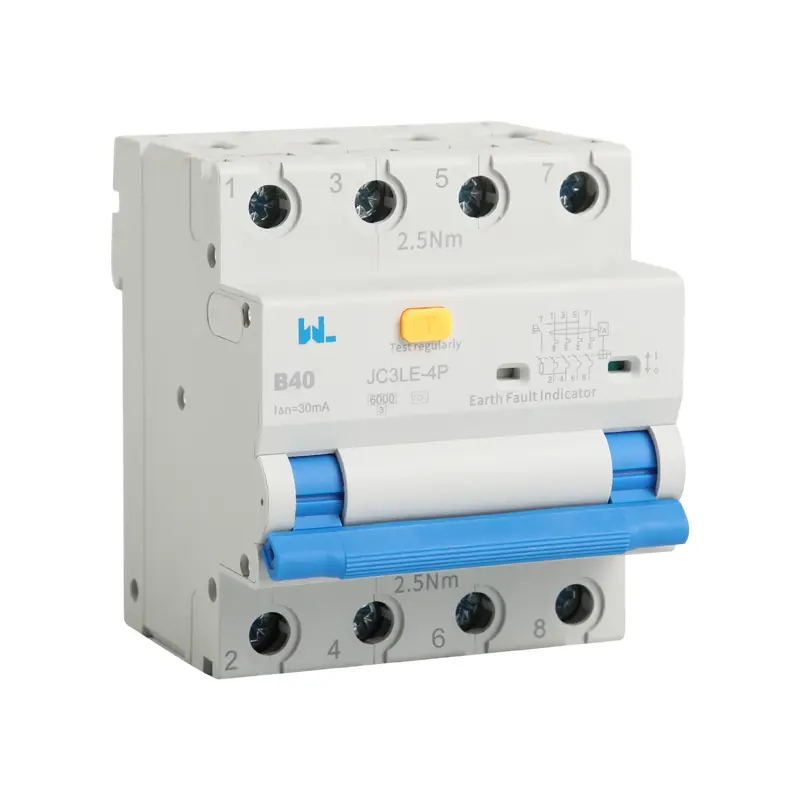
The Rcbo Circuit Breaker (Residual Current Circuit Breaker with Overcurrent protection) is a highly regarded safety device that merges RCD shock protection with MCB overcurrent protection into one unit. Its reliability and convenience make it a preferred option for modern electrical setups in residential, commercial, and industrial applications. RCBOs also have certain practical limitations.Outlining both the clear benefits and the potential drawbacks, helping electricians, project managers, and homeowners make an informed choice for their electrical protection needs.
How RCBOs Work and Their Key Benefits:
1.Dual Protection in One Device: An RCBO continuously monitors the circuit for two types of faults:
l Earth Leakage / Electric Shock Hazard: If it detects a small imbalance in current (typically 30mA), indicating leakage possibly through a person it cuts power within milliseconds.
l Overcurrent : If the current exceeds the safe rating of the circuit wiring for a prolonged period (overload) or spikes suddenly (short circuit), it trips to prevent overheating and fire risk.
2.Selective Tripping: If a fault occurs, only the affected circuit is disconnected. This keeps the rest of the installation powered, minimizing disruption a significant advantage over RCCBs that can shut down multiple circuits.
3.Compliance with Safety Standards: RCBOs help meet the requirements of modern wiring regulations, which often mandate both RCD and overcurrent protection for most final circuits.
The Practical Disadvantages and Limitations of RCBOs
While Rcbo Circuit Breaker offer excellent protection, the following factors might influence your choice, especially for larger or budget-sensitive projects:
1.Higher Initial Cost per Circuit
The primary drawback is higher cost. A single RCBO costs more than combining a standard MCB with a shared RCCB. In a multi-circuit consumer unit, using RCBOs throughout can significantly raise material expenses compared to a traditional MCB/RCCB setup.
2.Increased Space Requirements in the Panel
RCBOs take up more space than standard MCBs, typically using two DIN rail slots each. This can make installing multiple units in a compact or older consumer unit difficult. Retrofitting may require a full enclosure upgrade to accommodate them, adding complexity and cost.
3.Potential for Nuisance Tripping
The sensitivity of a 30mA RCBO, while vital for safety, can lead to practical issues. Older appliances with slight earth leakage may trigger unexpected trips, causing frustration and requiring troubleshooting or replacement to fix the problem.
4.More Complex and Costly Replacements
If a residual current operated circuit breaker (RCBO) fails or needs upgrading, the replacement cost is higher than replacing a standard miniature circuit breaker (MCB). Due to the greater complexity of the RCBO, diagnosing the cause of the trip may require more time and expertise.
5.Not Always the Most Efficient Layout for All Installations
For simple installations where circuits are logically grouped , using one RCCB to protect that entire group can be a more space-efficient and cost-effective solution. Installing an RCBO on every single lighting circuit might be overkill and less economical in such scenarios.
When Might an RCBO Still Be the Right Choice?
Understanding the disadvantages helps you make a smarter decision, but it doesn’t mean RCBOs are the wrong choice. Their benefits often outweigh the drawbacks in these common scenarios:
1.High-Risk or Critical Individual Circuits: Ideal for circuits serving kitchens, workshops, or medical equipment, where dedicated, uninterrupted protection is paramount.
2.Minimizing Disruption: In homes or businesses where you cannot afford for a single fault to knock out power to multiple rooms .
3.Modern Retrofits and New Builds: When installing a new consumer unit with ample space, the neatness, compliance, and selective protection of an all-RCBO board are highly advantageous.
4.Circuits with Variable or Unknown Loads: Where you want independent protection that won’t be affected by faults on other circuits.
Making an Informed Decision: Key Considerations
Choosing between RCBOs and a combination of RCCBs/MCBs involves weighing your specific priorities:
1.Budget vs. Convenience: Are you willing to pay a premium per circuit for the convenience of selective tripping and simpler compliance?
2.Panel Space: Does your existing or planned consumer unit have enough physical space for the number of RCBOs you need?
3.Circuit Criticality: Which circuits absolutely must not lose power due to a fault elsewhere? These are prime candidates for an RCBO.
4.Future-Proofing: Investing in an RCBO-protected board can make future circuit additions or modifications easier and more compliant.
Final Recommendation
When considering Rcbo Circuit Breaker, view their higher cost and larger size as trade-offs for superior, circuit-specific protection and convenience. In sensitive or high-demand environments, their benefits often justify the investment. For simpler or budget-conscious projects, a traditional RCCB/MCB setup remains safe and compliant. Always consult a qualified electrician to evaluate your specific needs and recommend the most balanced and practical solution for a safe, reliable electrical system.