Zhejiang wanlai Intelligent electric co., ltd.


Circuit Breaker Types: A, AC, B Explained
Understanding the letters on your circuit breakers is key to electrical safety. Learn how A, AC, and B types protect different equipment.
Have you ever wondered about the letters on the circuit breakers in your electrical panel? They aren’t brand logos but crucial codes indicating the “tripping characteristic” – essentially, how fast the breaker reacts to overcurrents. This directly impacts the safety of your electrical system and connected devices. Here’s a detailed look at three common types: A, AC, and B.
The Type A circuit breaker is the high-speed specialist. Engineered for extreme sensitivity, it acts as a dedicated guardian for delicate electronics. When the current reaches just 2 to 3 times its rated value, it trips almost instantly. This rapid response is ideal for protecting sensitive equipment like semiconductor devices, precision laboratory instruments, medical devices, or valuable computer servers from minor overloads and small power surges. By cutting off power at the earliest sign of trouble, it prevents subtle damage that could harm intricate internal circuits. While offering unparalleled protection for specialized gear, pure Type A breakers are seldom found in standard homes unless there’s a specific need for such high-level, rapid-response protection.
In contrast, the Type AC breaker is the ubiquitous workhorse of residential electrical panels. The “AC” denotes optimization for common faults in alternating current (AC) circuits. It strikes a perfect balance between reliable protection and practical tolerance, making it the standard for most household wiring and appliances. Its instantaneous trip range is typically 5 to 10 times the rated current. This design allows it to withstand brief, harmless inrush currents—like those when a refrigerator or air conditioner compressor starts up—without nuisance tripping. However, when a genuine short-circuit or dangerous overload occurs, it disconnects the circuit swiftly and reliably. It effectively protects everyday appliances, from lighting and televisions to kitchen gadgets, forming the dependable backbone of home electrical safety.
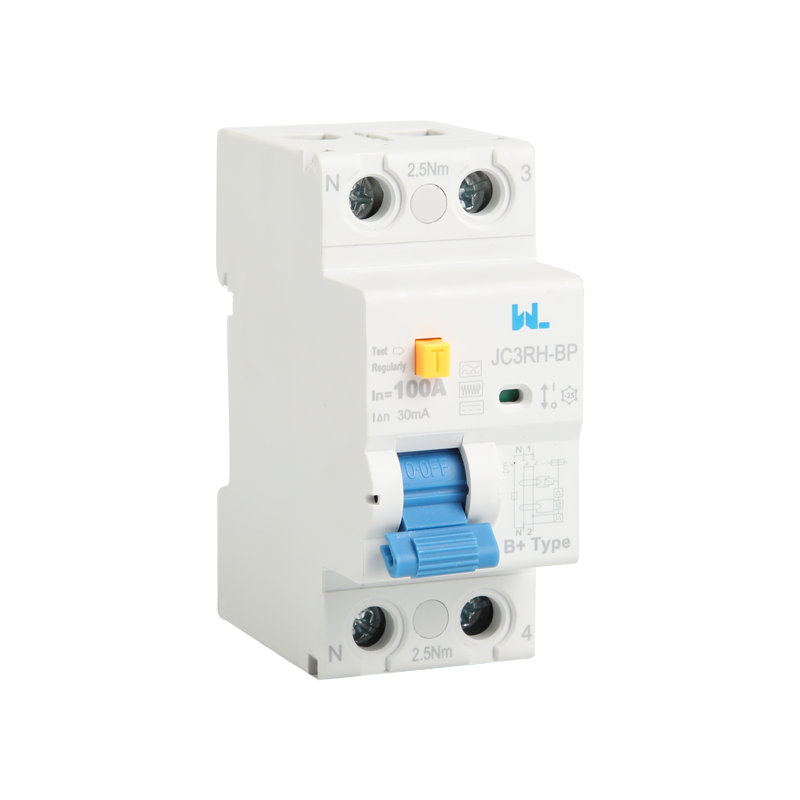
Sitting between these two is the Type B circuit breaker, acting as a tolerant guardian for specific applications. Its trip curve, typically set for 3 to 5 times the rated current, offers a middle ground. It is more sensitive than a Type C but more tolerant of surge currents than a Type A. This makes it particularly suited for circuits powering equipment with moderate but significant inrush currents. Common applications include certain discharge lighting systems (e.g., large fluorescent fixtures), small transformers, and specific motor-driven devices that require a balance between allowing a startup surge and providing relatively fast protection against faults. While less common in general homes, Type B breakers find their niche in specific commercial or specialized residential lighting and power circuits.